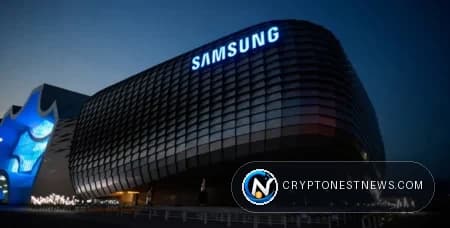

Samsung Electronics and SK Hynix, South Korea's memory chip heavyweights, led the downturn on Monday, with the KOSPI plummeting to an intraday low of 6,498 points, marking its first trading day after Friday's Constitution Day observance, and ultimately settling near the 6,520 level, down more than a quarter from its peak in June, officially entering a technical bear market territory, with Samsung finishing approximately 4.1% lower and SK Hynix shedding roughly 3.5%, amidst a broader sector downturn fueled by growing skepticism surrounding the sustainability of AI-related chip demand.
Market Performance
The Philadelphia Semiconductor Index dropped 4.3% on Friday, during Korea's market closure, despite robust earnings from TSMC, which failed to halt the sector downturn, as market participants continued to offload memory and chip manufacturers to secure gains following an extended AI-fueled uptrend, with investor concerns about elevated capital expenditure requirements throughout the industry intensifying selling activity, and semiconductor equities facing sustained headwinds over recent weeks, with the KOSPI's decline confirming a bear market designation, territory the benchmark first approached in early July.
Investor Sentiment
Analysts at KB Securities recently observed that markets are currently pricing AI-related investments, with investors increasingly skeptical about the sector's growth prospects, as the crypto and blockchain markets also experience fluctuations, with the price of major coins reflecting investor sentiment, and the broader crypto market reacting to the downturn in the semiconductor sector, as investors reassess their portfolios and adjust their strategies, amidst a complex and rapidly evolving market landscape, where the intersection of crypto, blockchain, and traditional markets is creating new opportunities and challenges for investors.
Industry Implications
The downturn in the semiconductor sector, led by Samsung Electronics and SK Hynix, has significant implications for the broader tech industry, as well as the crypto and blockchain markets, where the price of major coins, such as Bitcoin, can be affected by changes in investor sentiment and market trends, and the KOSPI's decline may have a ripple effect on the global market, as investors and market participants closely watch the developments in the semiconductor sector, and the crypto market, where investors are looking for opportunities to capitalize on the growth potential of blockchain and crypto assets, amidst a highly volatile and rapidly changing market environment.